
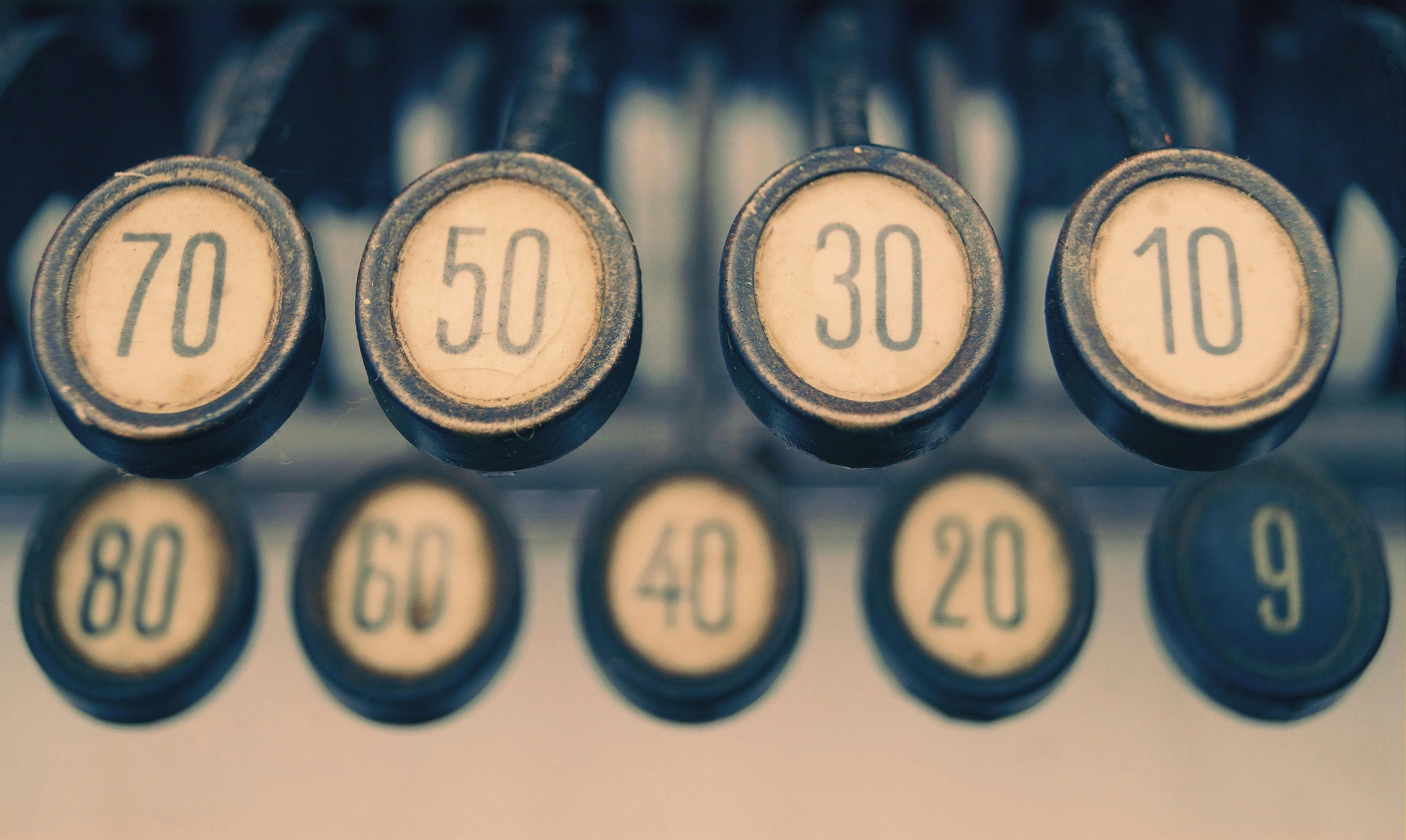
We count steps. We count calories. We track likes, views, streaks, and hours of sleep. From fitness trackers to budgeting apps, our lives are increasingly defined by numbers. But why are we so obsessed with keeping track of everything?
At its core, counting provides a sense of control. In a chaotic world, numbers offer structure. They help us find patterns and, in some cases, even meaning. It’s why people set goals like “10,000 steps a day” or “8 glasses of water.” These metrics simplify complex systems into something measurable—and, ideally, achievable.
This obsession isn’t new. In ancient times, tally marks on cave walls represented days or harvests. Merchants used stones or beads to track sales and stock. Humans have always had a need to measure, compare, and predict.
Enter modern times. Now we don’t just count to keep order—we count to self-optimize. There’s a growing culture of data-driven living. Want to sleep better? Track your REM cycles. Want to be more productive? Use a Pomodoro timer. Want to manage your spending? Use a budgeting app that breaks down your habits by category and date.
But here’s the twist: sometimes the act of counting changes the behavior itself.
Take dieting, for example. People using calorie-counting apps often become more aware of what they eat. This awareness can lead to better decisions—or, for some, a complicated relationship with food. The numbers don’t just reflect habits—they influence them.
Gamification has amplified this effect. Whether it’s Duolingo streaks or step goals on a Fitbit, people are motivated by visible progress. There’s a dopamine rush in watching numbers go up. You feel productive even if the action is small. The number becomes a stand-in for self-worth or success.
This psychological tendency also extends to entertainment. Games that involve numbers and odds hold a powerful draw. One example is the appeal of online roulette. It’s simple—just a wheel and a ball—but the numbered layout, combined with patterns and probabilities, gives players a sense of rhythm and possibility. Even those not typically drawn to numbers find the format compelling. It’s another example of how numerical design plays on our instincts.
In workplaces, counting takes a more professional form. KPIs, OKRs, and performance dashboards all boil down to: “How do we quantify success?” Entire roles are built around gathering and analyzing numbers, from marketing click-through rates to customer retention percentages. But even here, the danger exists: what happens when we focus so much on the numbers that we forget the people behind them?
Counting is neutral. How we use it is what makes the difference. When used wisely, it helps us measure progress, make decisions, and feel grounded. But when it becomes an obsession, it can lead us away from intuition and into a rabbit hole of meaningless metrics.
It’s important to remember: not everything that matters can be measured, and not everything that can be measured matters. You can’t track the warmth of a hug, the value of a kind word, or the strength of a late-night talk with a friend. Those moments don’t show up on a spreadsheet—but they move us just the same.
The future will likely continue this trend. With AI and wearable tech, we’re entering an age where everything from blood sugar to stress levels can be monitored in real time. This opens up new possibilities in health, productivity, and even relationships. Imagine being alerted when your stress rises during a conversation—or when you haven’t smiled all day. Data might help us better understand our emotional states, too.
But we have to decide what’s worth counting. There’s power in numbers, yes. But there’s also power in stepping back and asking: what am I really measuring this for?
Are we counting just to feel in control? Or are we using numbers to support something deeper—like balance, joy, and genuine connection?
So, whether you’re spinning the wheel, counting calories, or just keeping track of how many unread emails you’ve ignored this week, pause and consider what those numbers represent. Sometimes, it’s more than just math. It’s memory. It’s motivation. It’s meaning.
So, whether you’re spinning the wheel, counting calories, or just keeping track of how many unread emails you’ve ignored this week, pause and consider what those numbers represent. Sometimes, it’s more than just math. It’s memory. It’s motivation. It’s meaning.
Think about how you feel when you hit a round number—10,000 steps, 100 followers, a 30-day streak. That feeling isn’t just pride; it’s validation. Numbers give weight to effort. They whisper, “Yes, this mattered.” But that same reinforcement can also trap us. When numbers become the only goal, we risk losing sight of what they were supposed to measure in the first place: real progress, real joy, real growth.
In our hyper-digitized lives, it’s easy to forget that we’re more than metrics. A happy moment isn’t better because it got more likes. A relaxing walk doesn’t need to be tracked to count. By all means, keep counting—especially if it motivates you, gives structure to your day, or helps you find clarity in chaos. But also leave room for the unquantifiable: the conversation that made you laugh, the book that moved you, the night sky that left you speechless. Numbers can guide us, but they shouldn’t define us. Some of the best things in life defy calculation.